Stirred cocktails 101 — tools, technique and temperature
Why the right mixing glass, spoon and ice matter more than the recipe — a short guide for new bartenders.
Stirred cocktails are the quiet test of a good bartender. There's nowhere to hide — no shaken texture, no muddled fruit, no foam. Just spirit, dilution and temperature, served cold and clear.
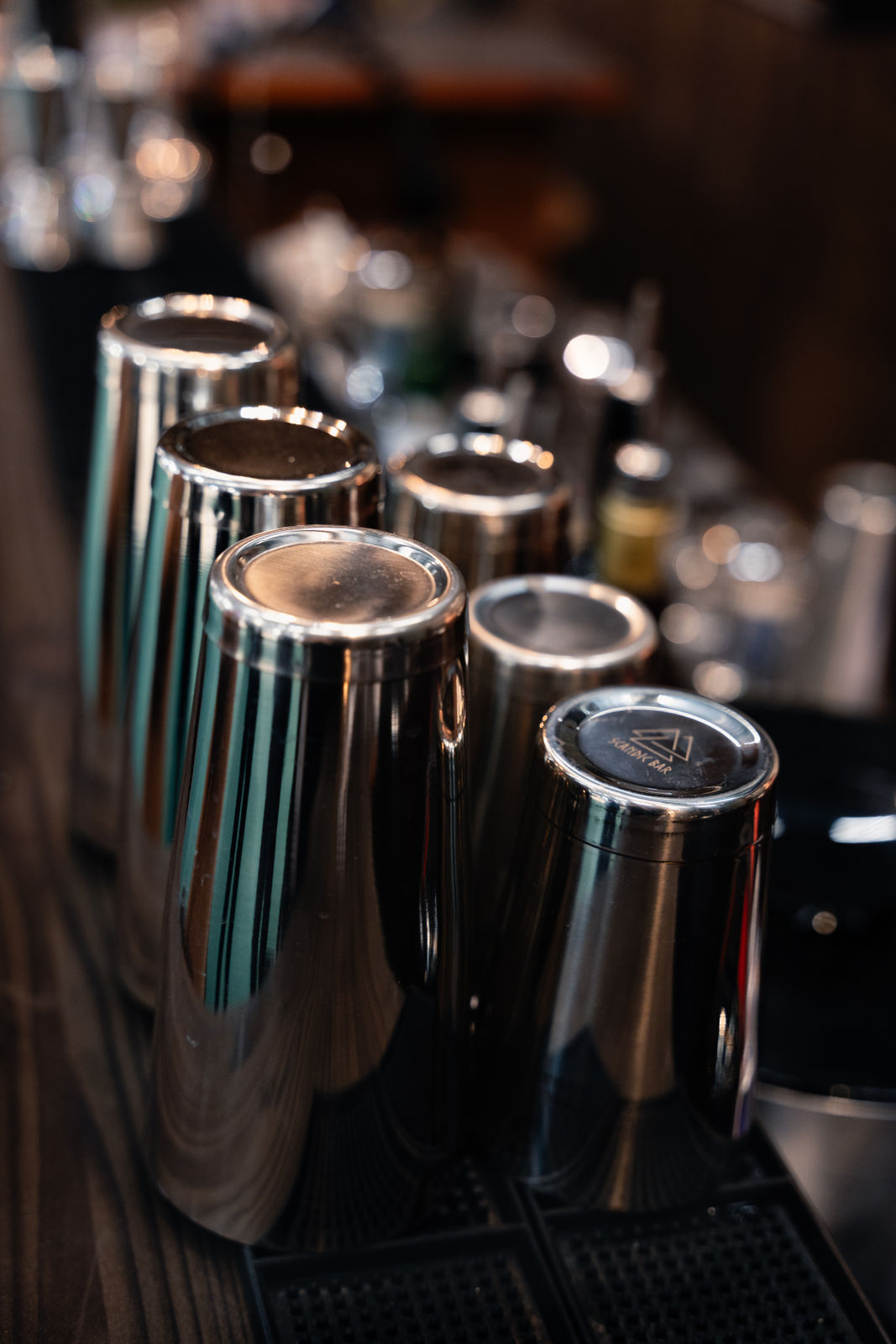
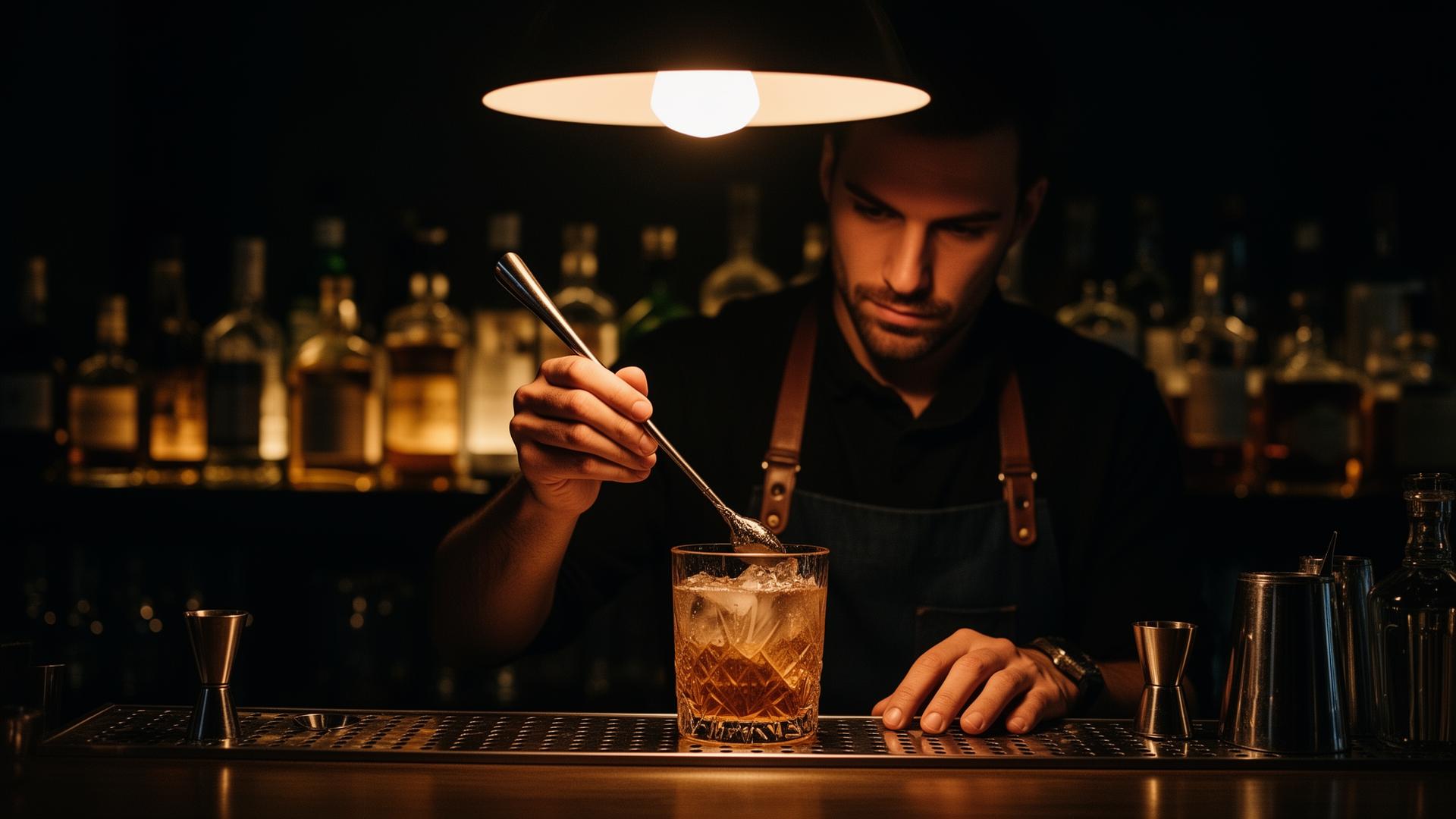
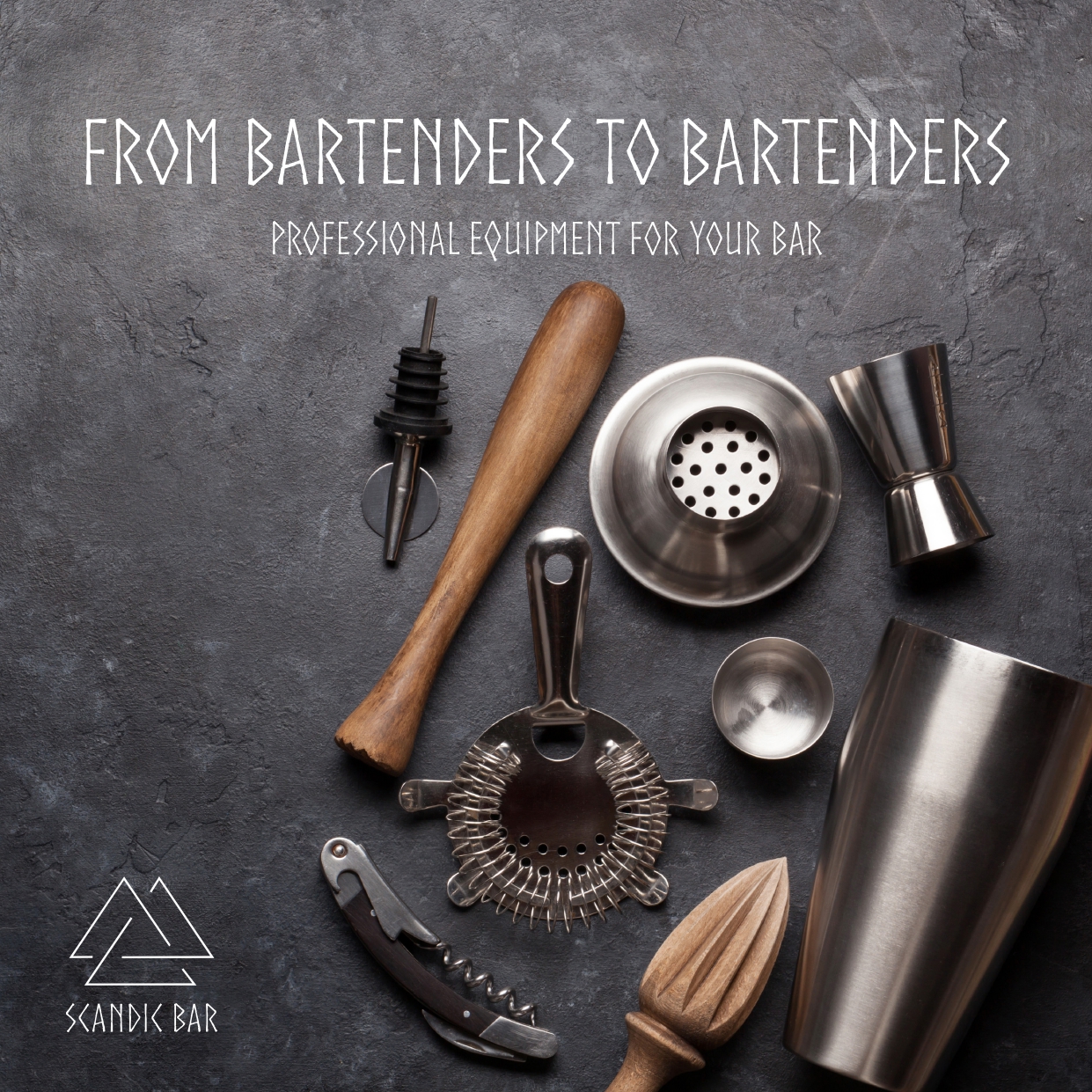
Tools matter. A heavy mixing glass with a thick base retains cold; a thin, light glass doesn't. A long, weighted bar spoon with a teardrop end stirs smoothly without bruising the ice. A julep strainer cradles the ice perfectly when you pour. Cheap kit can technically work — it just makes the cocktail harder than it needs to be.
Technique matters more. Stir in a slow, steady rhythm — around two stirs per second — for roughly 30 to 45 seconds, depending on your ice. The cocktail should be cold to the touch through the glass, with a small slick of dilution on the surface. Listen as you stir: the sound should be quiet and even, never rattling.
Ice is the silent ingredient. Use large, dense, dry ice — directly from the freezer, not from the well — and don't be afraid to add a fresh cube halfway through if the first one is fracturing. Wet, slushy ice will over-dilute a stirred drink in seconds.
If you're kitting out a new bar — or upgrading your tools — our Nordic mixing glass and weighted spoons are a good place to start. They're built to the same Nordic standard as the rest of the range.
Frequently asked questions
- How long should I stir a cocktail?
- Roughly 30 to 45 seconds for a classic spirit-forward stirred drink, depending on ice quality.
- What's the difference between shaking and stirring?
- Shake for cocktails with citrus, dairy or egg; stir for spirit-only drinks where clarity and texture matter.
- What size mixing glass should I use?
- 500 ml is a versatile starting point — large enough for two-drink batches, small enough for single serves.